
In global trade, resilience is no longer built for rare disruptions—it is built for recurring ones.
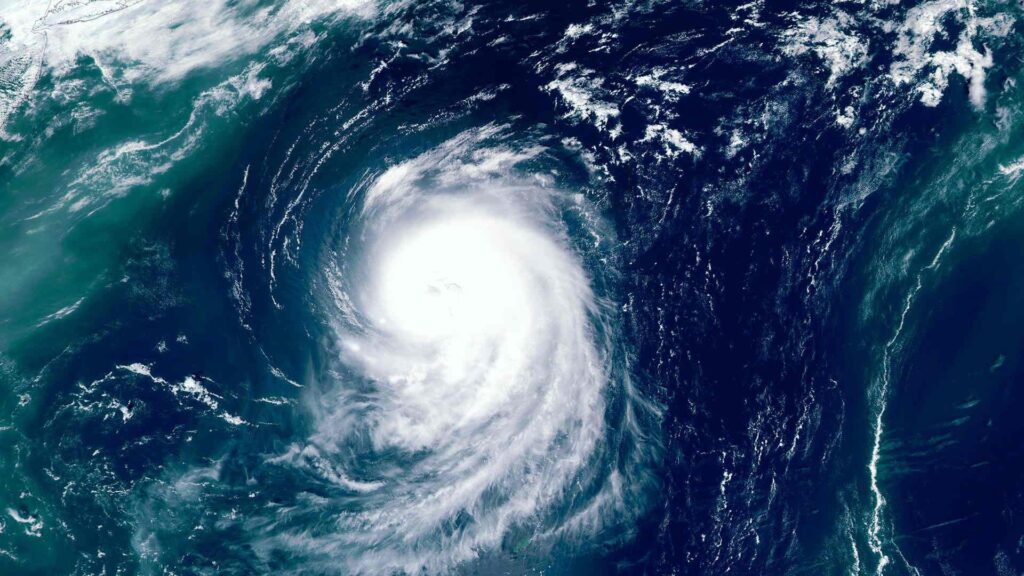
Just as supply chains begin recovering from geopolitical tensions, port congestion, and shifting trade routes, nature often presents another challenge. Typhoon Saudel, forecast to make landfall between Xiangshan in Zhejiang and Lianjiang in Fujian, is expected to disrupt one of the busiest export corridors in the world, affecting port operations, trucking, vessel schedules, and cargo movement across East China.
For businesses importing from or exporting through China, this is more than a temporary weather event. It is another reminder that modern supply chains require visibility, agility, and proactive planning—not just efficient transportation.
Here’s what businesses need to know and how they can minimize the impact.
Why Typhoon Saudel Matters to Global Trade
China’s eastern coastline is home to some of the world’s busiest container ports, handling millions of TEUs every year and serving as critical gateways for global manufacturing.
When severe weather affects this region, the disruption rarely remains local.
Typhoon Saudel is forecast to bring sustained winds of approximately 150 km/h, with significant operational disruptions expected across Zhejiang and Fujian provinces through the weekend. Maritime authorities have already issued alerts, and restrictions on port operations, trucking movements, and vessel schedules are anticipated.
For importers, exporters, and freight forwarders, these conditions can quickly translate into shipment delays, rolled cargo, and increased logistics costs.
Which Ports Are Most Likely to Be Affected?
The severity of disruption varies across China’s major logistics gateways.
Fujian: Highest Risk
Ports including Xiamen and Fuzhou are expected to experience the greatest operational impact.
Authorities have issued high-level weather alerts, with container yards and empty depots expected to close for 24 to 48 hours. Some shipping lines may even omit Xiamen port calls entirely depending on storm conditions.
Ningbo-Zhoushan: Significant Operational Disruption Expected
As one of the world’s busiest container ports, Ningbo-Zhoushan lies close to the projected landfall zone.
Businesses should anticipate:
- Reduced terminal productivity
- Gate restrictions
- Possible suspension of terminal operations
- Longer truck turnaround times
These operational slowdowns can continue well after the storm has passed as terminals work through accumulated cargo volumes.
Shanghai: Moderate Impact with Potential Delays
Although Shanghai is not expected to experience the full force of the storm, precautionary operational measures have already been introduced at Yangshan terminals.
Terminal operating schedules may continue changing as weather conditions evolve, making close coordination with carriers and freight forwarders essential.
Southern China and Taiwan Remain Relatively Stable
Current forecasts suggest ports such as Yantian and Shekou in Guangdong should experience only peripheral rainfall with limited operational impact.
Similarly, Taiwan’s ports and airports remain operational, although minor flight schedule adjustments are possible.
The Hidden Cost of Typhoon Disruptions
The immediate effects of a typhoon are visible.
The secondary effects often create even greater supply chain challenges.
When vessels miss scheduled berthing windows, carriers adjust sailing schedules across entire service networks. Cargo accumulates inside terminals, equipment availability tightens, and trucking operations struggle to recover normal flow.
Businesses should prepare for:
- Vessel delays and blank sailings
- Port omissions
- Restricted trucking access
- Equipment shortages
- Post-storm port congestion
- Higher demurrage, detention, and storage costs
In many cases, congestion lasts considerably longer than the weather event itself.
How Businesses Can Reduce the Impact
Although severe weather cannot be prevented, businesses can significantly reduce operational disruption through proactive planning.
Build Additional Transit Time
Shipments moving through Fujian, Zhejiang, or Shanghai should include additional buffer days to accommodate changing vessel schedules and terminal congestion.
Verify Booking and Vessel Status Before Dispatch
Shipping schedules can change rapidly during weather events.
Before dispatching cargo, businesses should confirm booking status, vessel ETDs, and terminal gate availability with their freight forwarding partner.
Delay Non-Essential Trucking
Transporting cargo to terminals during suspension periods increases both cost and operational risk.
Where possible, businesses should postpone non-essential trucking movements until normal operations resume.
Monitor Carrier Advisories Closely
Operational conditions evolve quickly during typhoons.
Maintaining real-time communication with freight forwarders, shipping lines, and terminals enables faster decision-making when routing or scheduling adjustments become necessary.
Why Experienced Freight Forwarders Make the Difference
During normal operating conditions, freight forwarding is about efficiency.
During disruptions, it becomes about expertise.
An experienced logistics partner helps businesses:
- Monitor changing port conditions
- Communicate carrier schedule revisions
- Recommend alternative routing options
- Coordinate customs and documentation
- Secure available vessel capacity
- Minimize unnecessary storage and detention charges
- Optimize LCL (Less than Container Load) consolidation where appropriate
The ability to respond quickly often determines whether disruptions remain manageable or become costly operational setbacks.
Building Supply Chains for an Era of Constant Disruption
Typhoon Saudel is another reminder that supply chain resilience is no longer optional.
Climate-related disruptions, geopolitical uncertainty, infrastructure constraints, and shifting trade patterns have made flexibility one of the most valuable assets in logistics.
Businesses that consistently outperform during disruptions typically invest in:
- Diversified sourcing strategies
- Flexible freight forwarding solutions
- Real-time shipment visibility
- Contingency planning
- Strong logistics partnerships
Rather than reacting to disruption, they prepare for it.
Resilience Is the New Competitive Advantage
Typhoon Saudel may pass within days, but its effects on shipping schedules, port productivity, and cargo movement may continue for weeks.
For importers and exporters, the lesson extends beyond this single weather event.
The future of international trade belongs to businesses that build resilient supply chains capable of adapting to changing conditions without compromising customer commitments.
Preparedness, visibility, and expert logistics support are no longer competitive advantages.
They have become business necessities.