
India’s Electric Vehicle Revolution: Can JSW & Tata Break China’s Monopoly?
Explore how India’s EV market is accelerating, the challenges ahead, and what it can learn from China’s dominant electric vehicle industry.
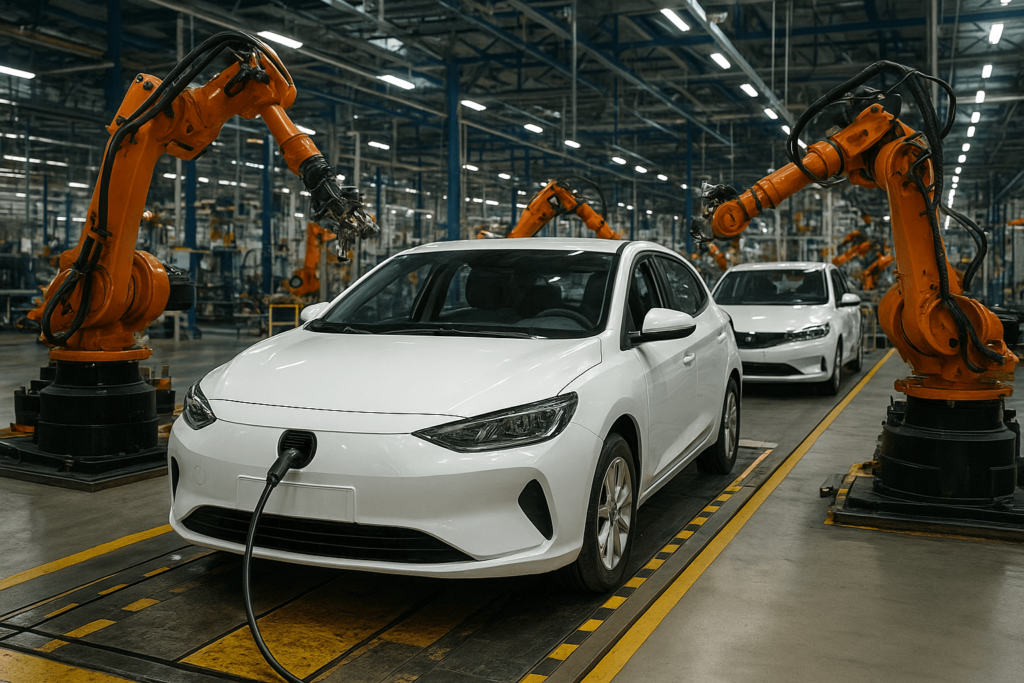
India’s automotive industry is rapidly transforming, embracing electric vehicles (EVs) with unprecedented momentum. In the first half of 2025 alone, over 70,000 electric cars were sold, marking a 100% year-over-year growth. Leading the charge are homegrown giants like Tata Motors and JSW, alongside rising players such as Mahindra & Mahindra, signaling a vibrant and competitive EV market across major Indian cities.
India’s Current EV Landscape and Growth
Electric vehicles accounted for just over 4% of total car sales in May 2025 in India. While still nascent compared to global averages, the pace of adoption is remarkable. JSW MG Motor reported a massive 149% sales increase in May 2025, positioning it as the country’s second-largest EV seller after Tata Motors.
Urban centers like Delhi and Bengaluru are witnessing significant shifts, with electric fleets from ride-hailing companies like Ola and Uber and families switching to cleaner, electric mobility solutions.
What Makes China’s EV Industry a Global Powerhouse?
China’s EV ecosystem is vast, driven by over 300 electric vehicle manufacturers. Industry giants like BYD and SAIC dominate globally, underpinned by massive government support, including subsidies, strict EV mandates, and heavy investment in charging infrastructure.
This competitive environment, fueled by hundreds of startups innovating aggressively, has accelerated China’s growth. Key factors include:
- Strategic export policies expanding EV presence beyond China into Europe, Southeast Asia, and Latin America.
- Vertical integration with local supply chains including batteries, motors, and semiconductors.
- Consumer incentives and policy frameworks fostering rapid adoption.
Challenges and Opportunities on India’s EV Roadmap
India’s EV market penetration stood at about 7.7% of total vehicle sales by 2024, compared to the global average of 16.5%. Its manufacturing base is still emerging, with fewer passenger EV companies, but recent government initiatives like the Production Linked Incentive (PLI) scheme, lower GST rates, and battery subsidies are opening doors for growth.
India’s roadblocks include complex regulations, high import duties on components, and underdeveloped domestic supply chains that have slowed start-up expansion unlike China’s boom.
Driving India’s EV Future: Strategies for Success
India’s unique strengths—its large urban population, environmental consciousness, and rising fuel costs—create fertile ground for EV adoption. To accelerate growth, India must focus on:
- Expanding charging infrastructure rapidly nationwide.
- Developing a holistic EV ecosystem, including battery, semiconductor, and raw material production.
- Encouraging startups and innovation to create future industry champions.
- Leveraging aggressive R&D incentives and export-oriented policies.
- Investing in battery recycling and clean energy grid infrastructure.
The Path Forward: India’s EV Vision
With plans to have 30% of total vehicle sales as electric by 2030, India is gearing up for a transformative journey. As JSW and Tata Motors lead the way, the industry aims to not only meet domestic demand but also emerge as a global exporter of EVs and EV technologies.
Imagine Indian electric vehicles gaining traction internationally in Africa, Southeast Asia, and beyond — backed by robust domestic supply chains and technological innovation.
Key Industry Stats to Watch
- Over 2 million EVs sold in India in FY 2024-25, nearly tripling sales from a few years prior.
- JSW’s market share and sales growth (149% year-over-year in May 2025) highlight rapid evolution.
- The Indian government’s PLI scheme and subsidy programs are poised to further accelerate adoption.
Electric vehicles are shaping India’s automotive and logistics future. The race has begun — with strategic partnerships, government support, and innovation, India can challenge the global EV monopoly and drive sustainable growth.
If you found this blog insightful, please like, share, and comment: Which Indian EV company do you think will become a global leader?