
Monsoon Logistics in India: An 8-Step Guide to Protect Your Cargo and Keep Supply Chains Moving
Monsoon Doesn’t Just Bring Rain—It Brings Supply Chain Risk
For most people, the arrival of the monsoon means cooler weather and the promise of a good harvest. For logistics professionals, importers, exporters, and supply chain managers, it signals something very different.
It marks the beginning of one of the most challenging seasons for cargo movement in India.
Heavy rainfall, waterlogged roads, port congestion, landslides, flooding, vessel delays, and disrupted inland transportation can quickly derail even the most carefully planned shipments. A delay of just a few hours at a critical point in the supply chain can trigger missed sailing schedules, increased demurrage, inventory shortages, and dissatisfied customers.
While the monsoon cannot be controlled, its impact on your supply chain certainly can.
With proactive planning, the right freight forwarding partner, and robust risk management practices, businesses can keep cargo moving safely and minimize costly disruptions.
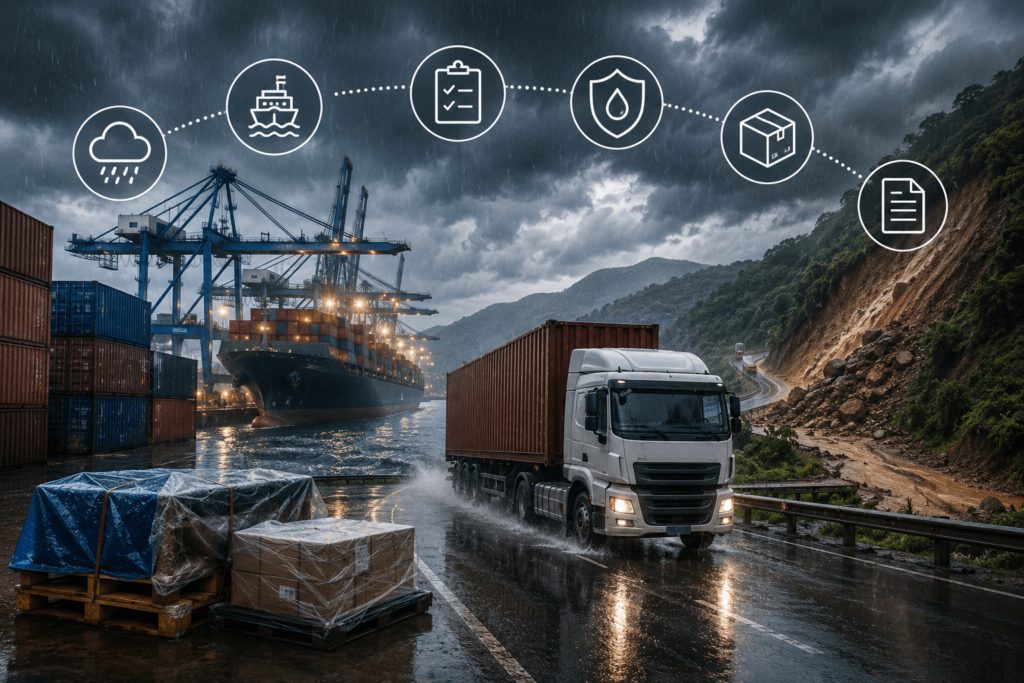
Here’s an eight-step logistics playbook to help you navigate the monsoon season with confidence.
1. Monitor Weather Forecasts Like You Monitor Shipments
Successful logistics starts with visibility.
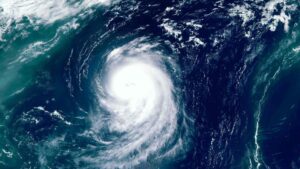
During the monsoon season, weather updates become just as important as shipment tracking. Heavy rainfall, cyclones, flooding, and landslides can disrupt transportation routes with very little notice.
Businesses should closely monitor official weather advisories and identify regions that are particularly vulnerable to seasonal disruptions. Areas such as Mumbai often experience severe waterlogging, while the Western Ghats can face landslides that impact road connectivity. States including Assam and Bihar frequently encounter flooding that affects inland transportation.
Real-time weather intelligence enables logistics teams to make informed routing decisions before disruptions escalate.
2. Keep a Close Watch on Port Operations
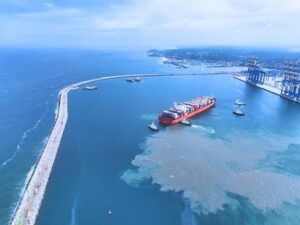
Ports remain the backbone of India’s international trade, but they are particularly vulnerable during the monsoon.
Heavy rain, reduced visibility, strong winds, and rough sea conditions can lead to vessel bunching, gate closures, slower cargo handling, and revised sailing schedules.
Major ports such as JNPT, Mundra, Chennai, Kolkata, and Cochin often experience operational challenges during periods of intense rainfall. Importers and exporters should regularly review port updates and reconfirm vessel schedules with their freight forwarders.
Staying informed allows businesses to respond quickly to blank sailings, rolled cargo, and schedule changes before they translate into higher demurrage and detention costs.
3. Build Alternative Transport Plans Before You Need Them
One of the biggest mistakes businesses make is relying on a single transportation route.
Monsoon disruptions rarely affect every mode of transport equally. While highways may become inaccessible due to flooding or landslides, rail corridors or coastal shipping routes may continue operating with minimal disruption.
Developing contingency plans in advance gives businesses greater flexibility when conditions change unexpectedly.
Experienced freight forwarding partners can help identify alternative routing options, enabling cargo to continue moving even when primary transport corridors are affected.
In logistics, flexibility often determines whether a shipment arrives on time or becomes another delayed consignment.
4. Add Buffer Time to Your Supply Chain
The monsoon is not the season for optimistic delivery schedules.
Building realistic transit buffers into shipping plans helps businesses absorb unexpected delays without disrupting customer commitments.
Additional lead time allows for:
- Weather-related transportation delays
- Port congestion
- Customs processing disruptions
- Inland transportation bottlenecks
Businesses should also review inventory strategies during this period. Maintaining safety stock for critical products can prevent production stoppages and stockouts caused by transportation delays.
Planning ahead is almost always less expensive than reacting after disruption occurs.
5. Strengthen Communication Across the Supply Chain
When disruptions occur, communication becomes one of the most valuable logistics tools.
Importers, exporters, freight forwarders, transporters, customs brokers, warehouse operators, and shipping lines should remain closely aligned throughout the monsoon season.
Before shipments begin, businesses should establish contingency plans covering situations such as:
- Cargo rerouting
- Temporary warehousing
- Hold-at-port arrangements
- Alternate delivery schedules
Clear communication reduces uncertainty and enables faster decision-making when conditions change unexpectedly.
6. Stay Updated on Port and Regulatory Guidelines
Operational conditions during the monsoon can change rapidly.
Port authorities may introduce temporary operational restrictions, revise cargo handling procedures, or implement additional safety requirements to manage adverse weather conditions.
Businesses that stay informed about these updates can avoid unnecessary delays caused by documentation issues or compliance gaps.
Working closely with an experienced freight forwarding partner helps ensure cargo movements remain aligned with evolving port regulations throughout the season.
7. Prepare Your Cargo for Water Exposure
During the monsoon, cargo should always be packed with one assumption:
It may come into contact with moisture.
Even if transportation proceeds as planned, loading operations, storage yards, and inland transfers can expose cargo to rain and humidity.
Proper packaging significantly reduces the risk of damage.
Protective measures include:
- Waterproof wrapping and sealed liners
- Moisture-resistant packaging materials
- Silica gel and desiccants to control humidity
- Plastic pallets instead of wooden pallets where appropriate
- Moisture-resistant containers for sensitive cargo
For high-value, export, or moisture-sensitive goods, investing in better packaging is far more cost-effective than replacing damaged cargo.
8. Protect Your Documentation and Insurance Coverage
Cargo isn’t the only thing that needs protection.
Shipping documents are equally critical.
Businesses should maintain digital copies of all essential documentation, including invoices, lorry receipts, customs documents, and e-way bills. Physical documents should be stored in waterproof sleeves to prevent damage during transit.
It is equally important to review insurance policies before shipments begin.
Many businesses assume standard transit insurance automatically covers weather-related losses. However, coverage terms vary, making it essential to confirm protection against water damage, flooding, and monsoon-related risks before cargo is dispatched.
A few minutes spent reviewing insurance today can prevent significant financial losses tomorrow.
Why Monsoon Preparedness Is a Competitive Advantage
Many businesses view the monsoon as an unavoidable operational challenge.
The most successful companies see it differently.
They recognize that effective risk management creates stronger customer relationships, improves delivery reliability, and reduces avoidable logistics costs.
Businesses that prepare early experience:
- Fewer shipment delays
- Lower cargo damage
- Better inventory availability
- Reduced demurrage and detention costs
- Greater customer confidence
In today’s competitive market, supply chain resilience has become just as important as supply chain efficiency.
How Freight Forwarding Expertise Makes the Difference
Successfully navigating the monsoon requires more than transportation capacity.
It requires experience, real-time visibility, proactive communication, and contingency planning.
An experienced freight forwarding partner can help businesses:
- Monitor weather and port conditions
- Optimize routing decisions
- Coordinate with shipping lines and port authorities
- Protect cargo through appropriate packaging solutions
- Manage customs documentation efficiently
- Minimize delays through proactive planning
These capabilities become especially valuable when every day of delay carries operational and financial consequences.
Prepare Today to Deliver Seamlessly Tomorrow
Every monsoon presents new challenges, but it also rewards businesses that plan ahead.
By combining real-time visibility, flexible logistics strategies, robust cargo protection, and expert freight forwarding support, companies can reduce disruptions and keep supply chains moving even during the most unpredictable weather conditions.
Because when the rains arrive, success doesn’t belong to the businesses that react fastest.
It belongs to those who plan ahead.
Partner With Logistics Experts This Monsoon
Don’t let seasonal disruptions impact your business.
Whether you need route planning, cargo protection, LCL consolidation, customs support, or end-to-end freight forwarding solutions, our logistics experts are ready to help you build a resilient supply chain for the monsoon season and beyond.
Get in touch with our team today to safeguard your cargo and keep your shipments moving—rain or shine.